
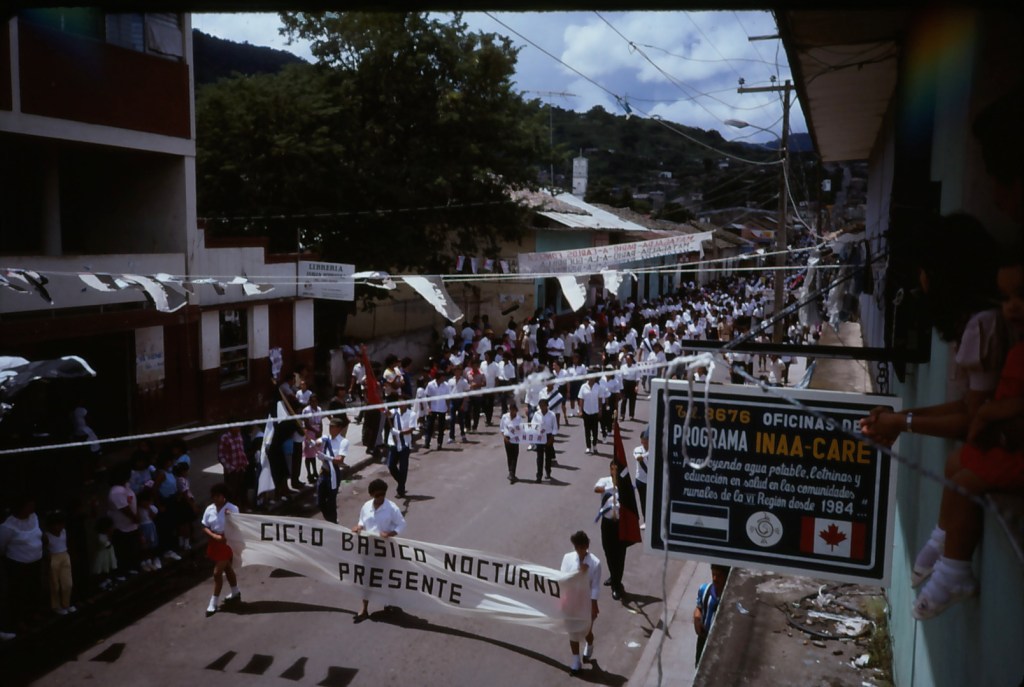
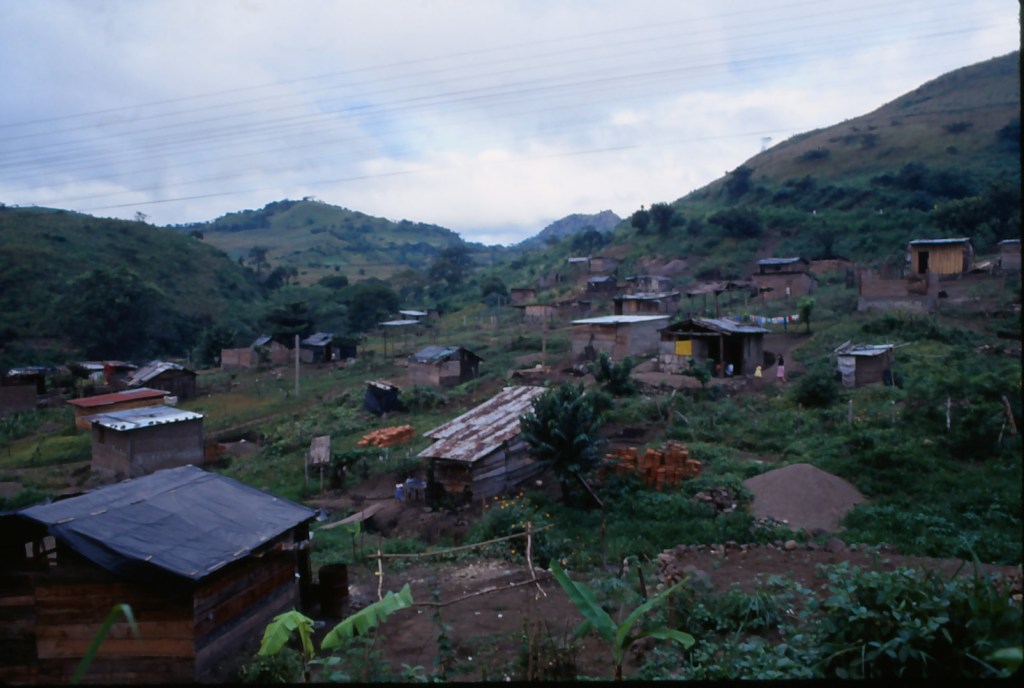
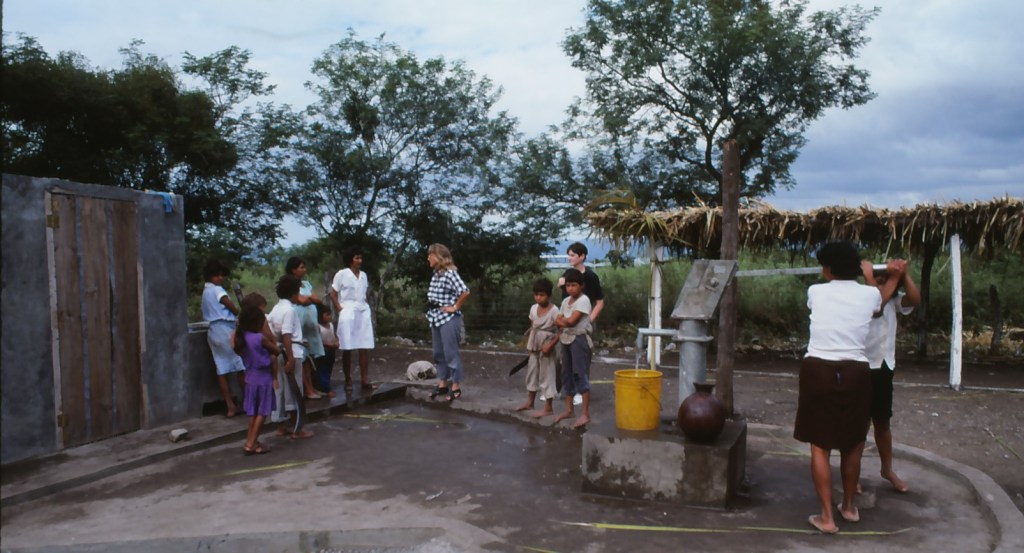
I recently reread copies of the long letters we sent home during our posting in Nicaragua and soon realized how difficult it will be to recount those diverse experiences in a single blog post. Our 3 years in the country were full of emotional ups and downs. We witnessed major social, economic and political change. The significant challenges of my work, the positive changes we achieved in the program, understanding and integrating with Nicaraguan life plus the wonderful adventures and travel in the region all made for a singular time in our lives.
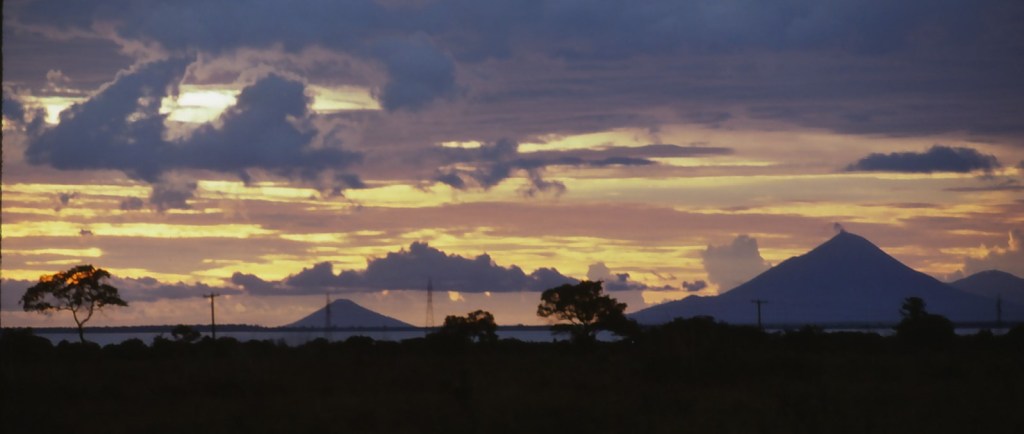
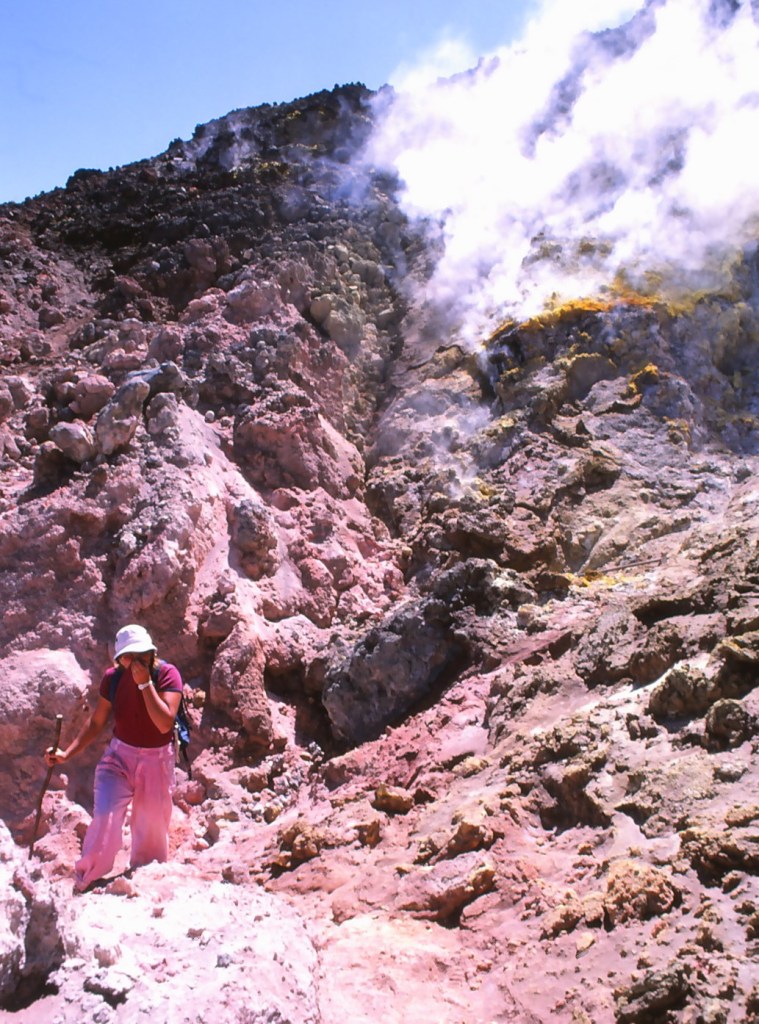
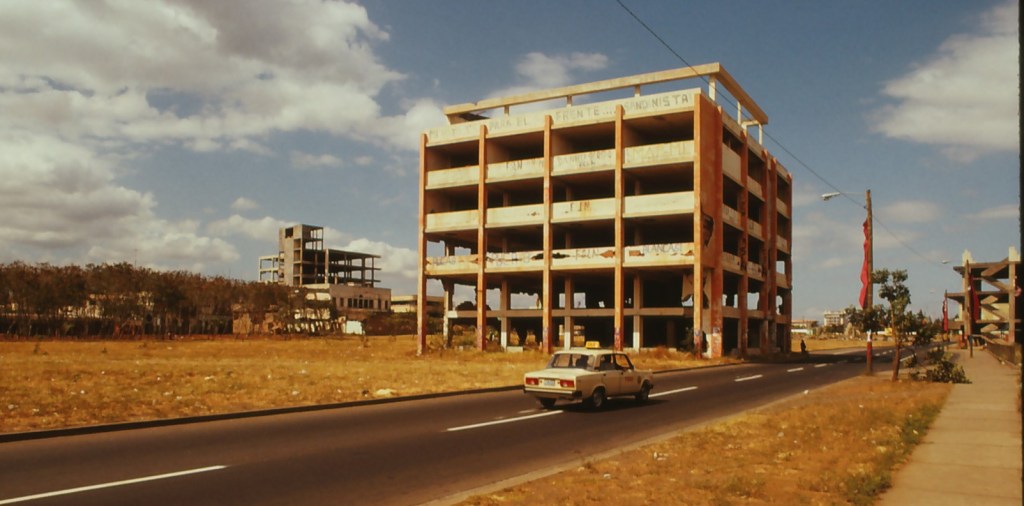
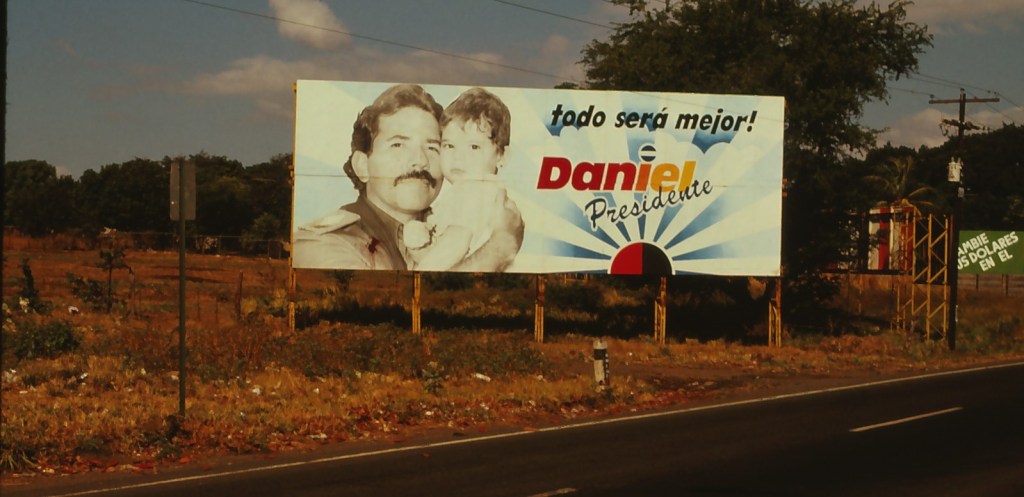
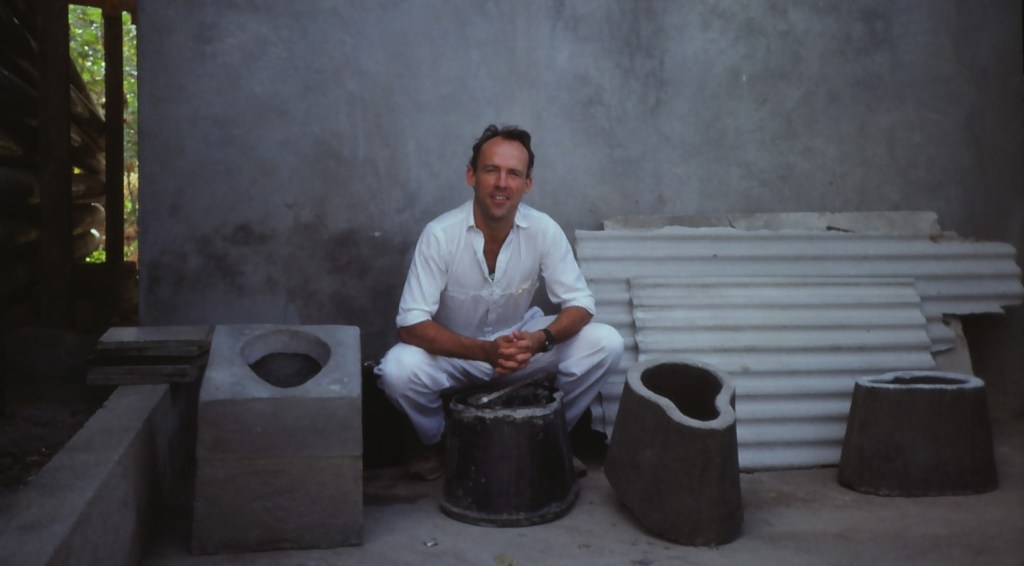
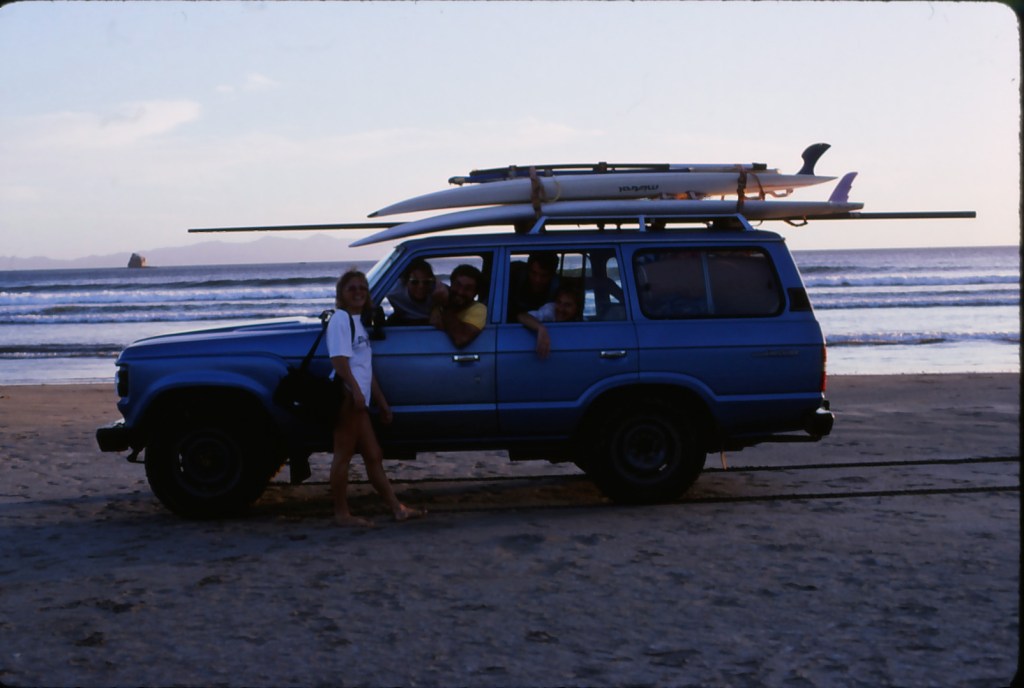
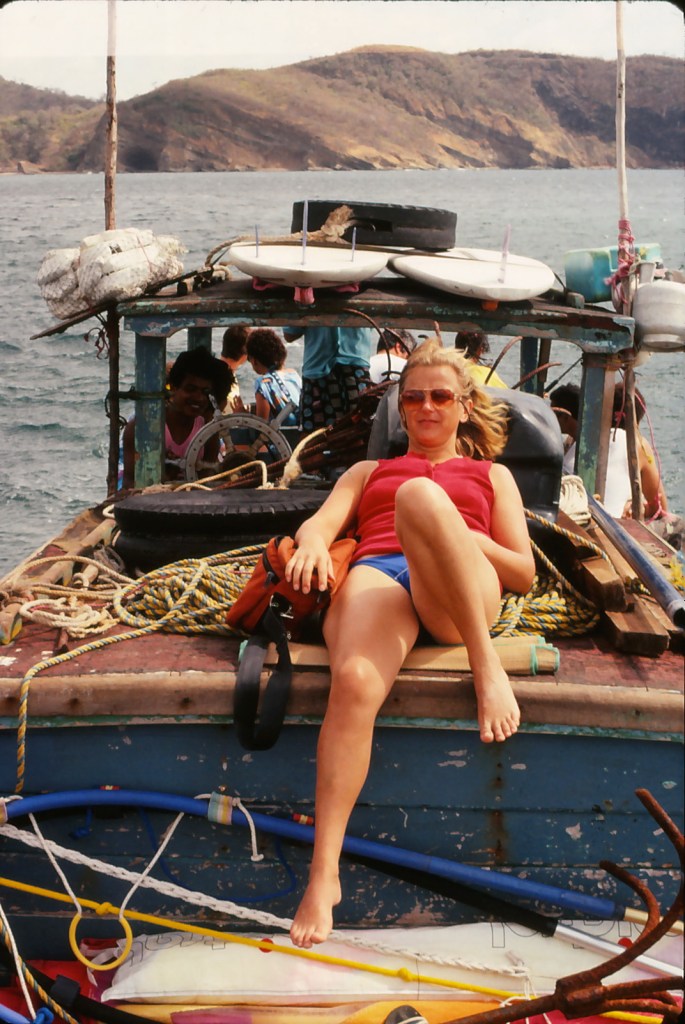
Windsurfing was a big part of our recreation. Our equipment was antique, the sails often inappropriate for the conditions and rescue services non-existent but we made do and slowly figured things out.
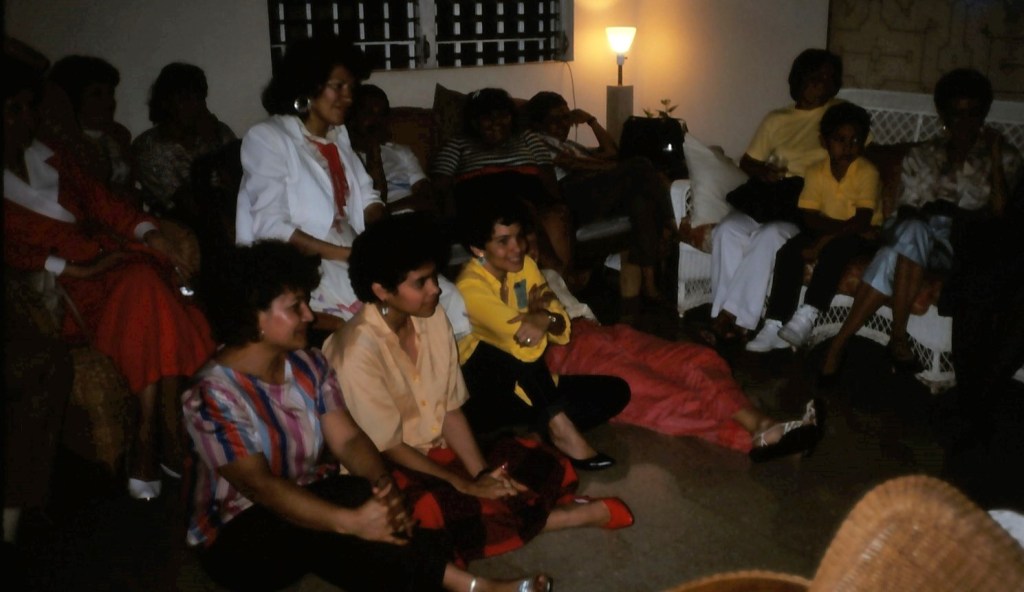
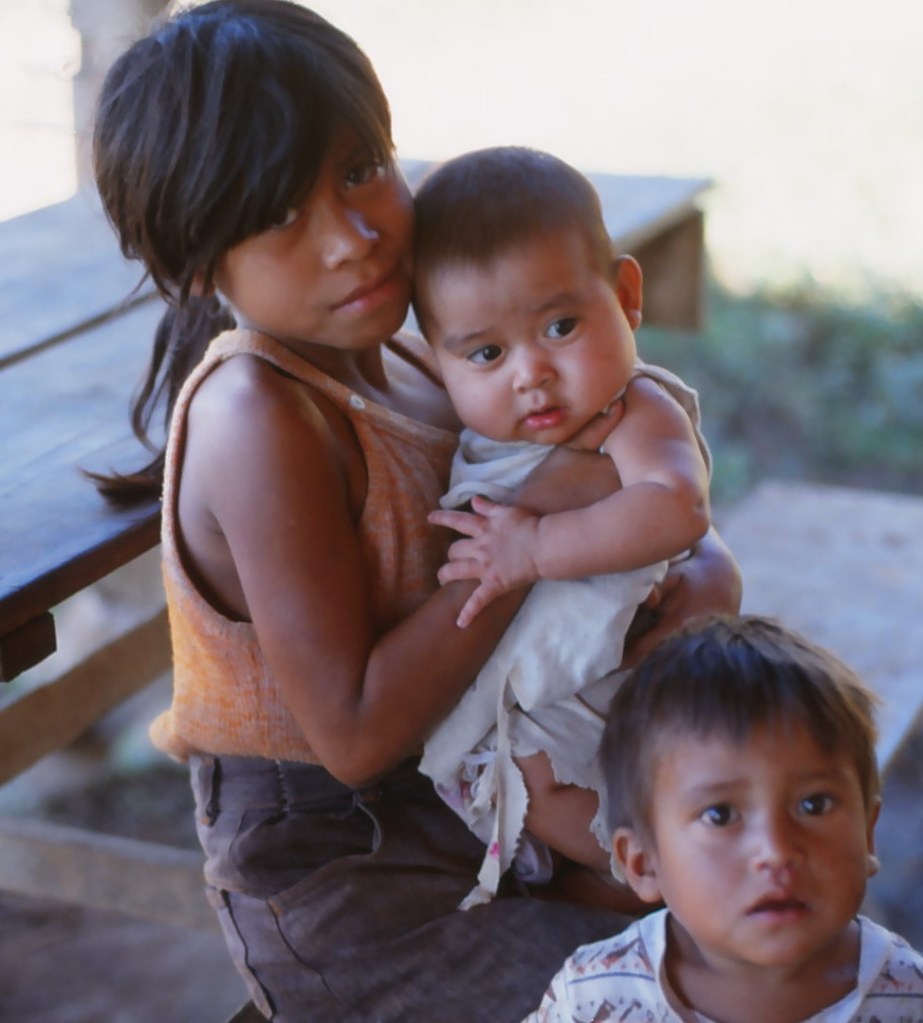
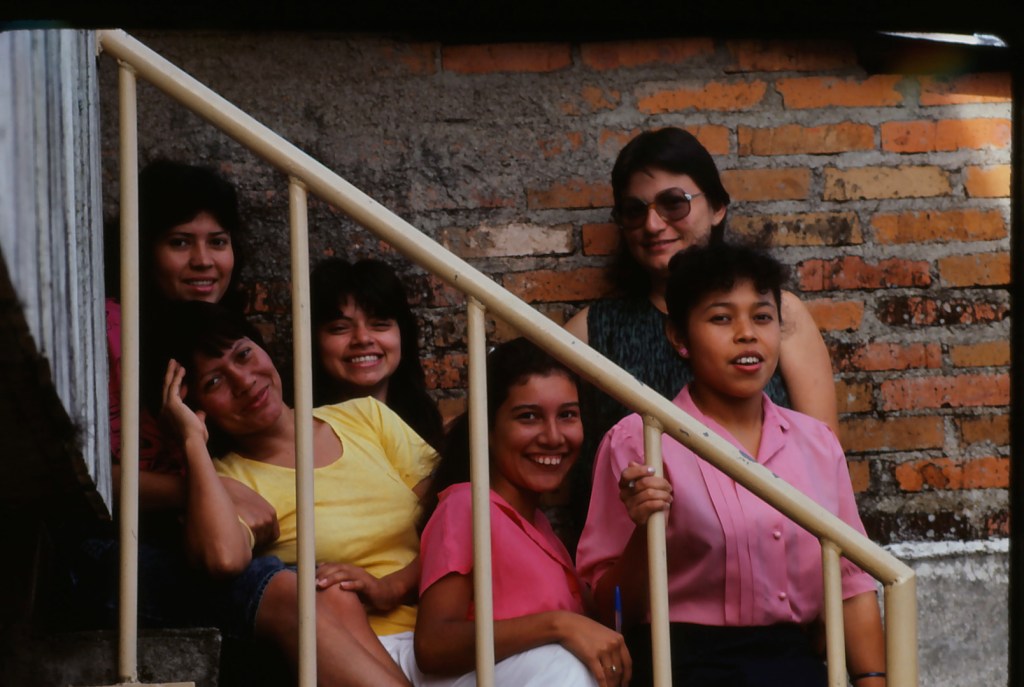
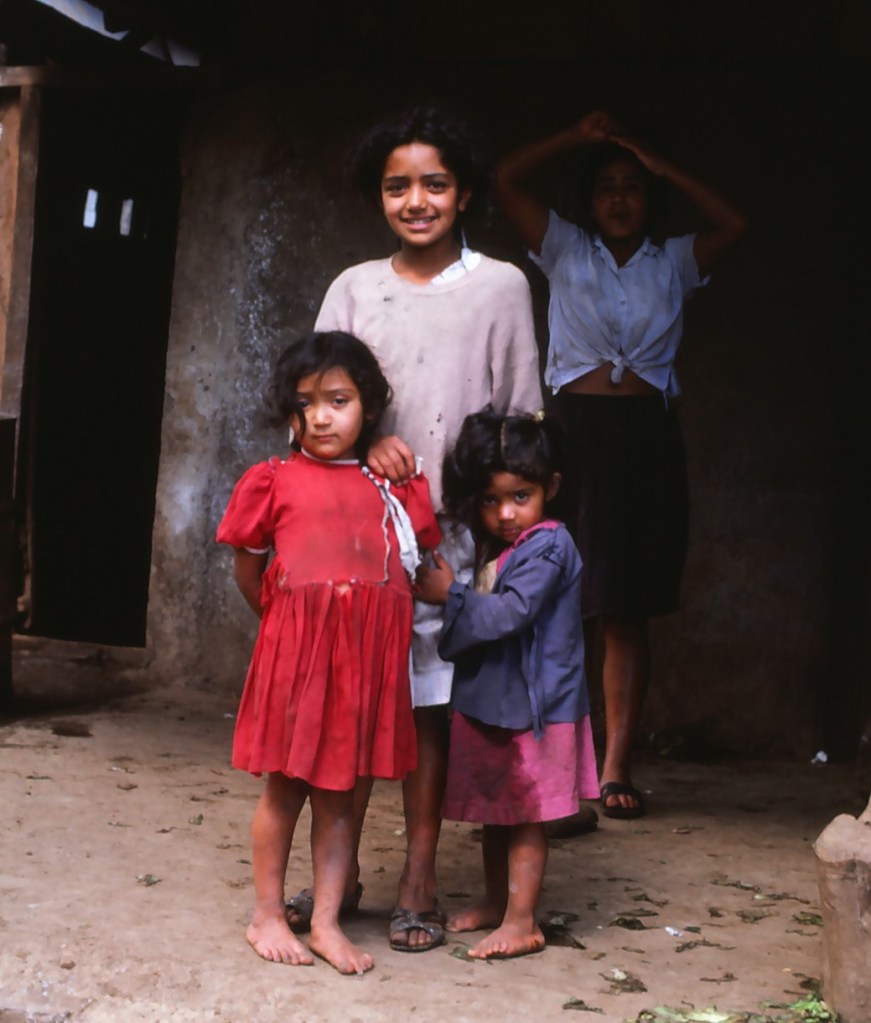
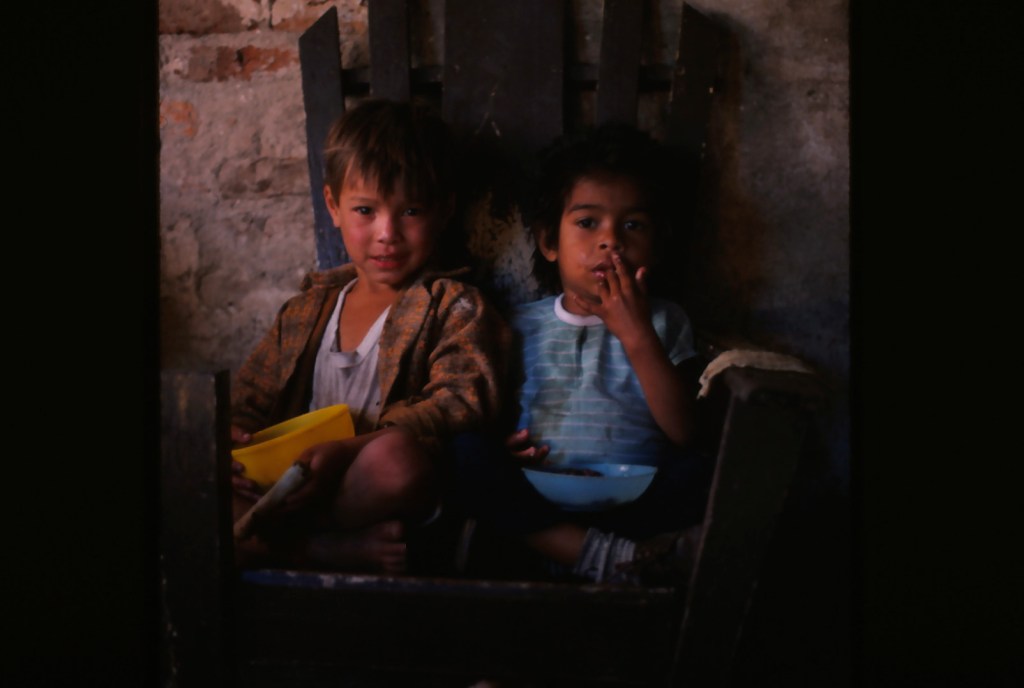
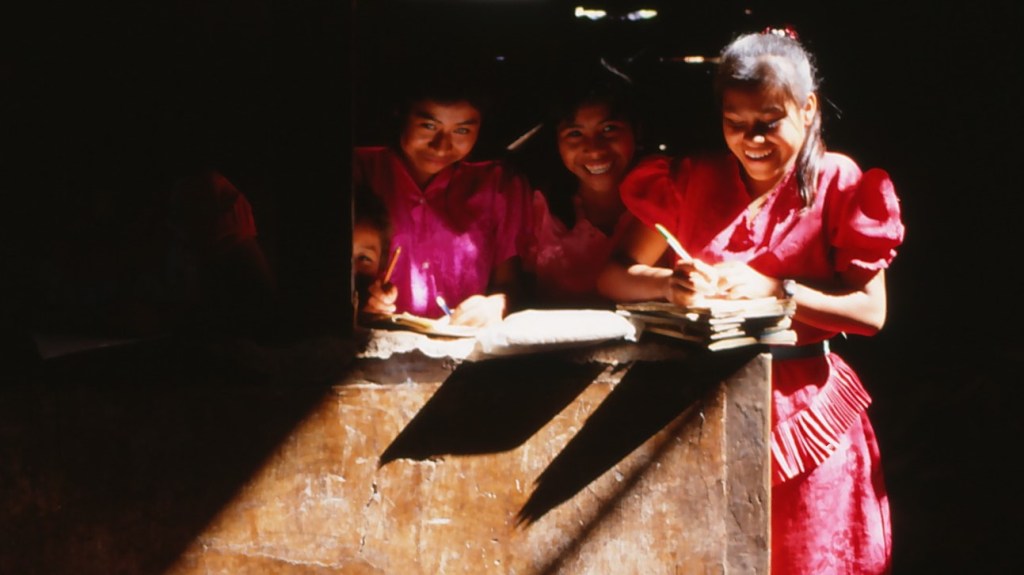
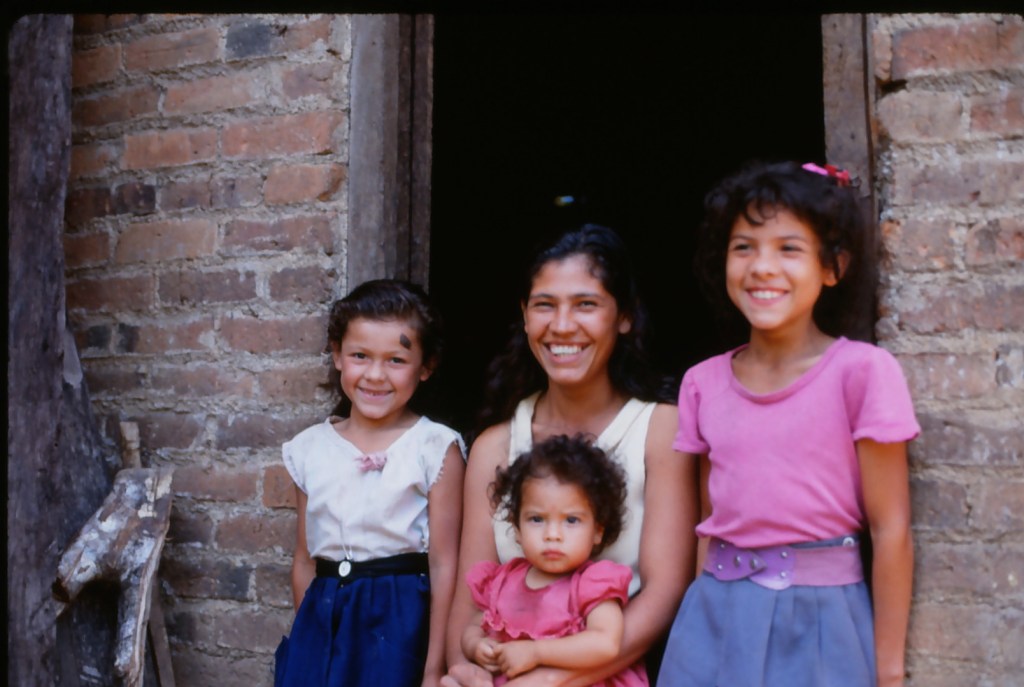
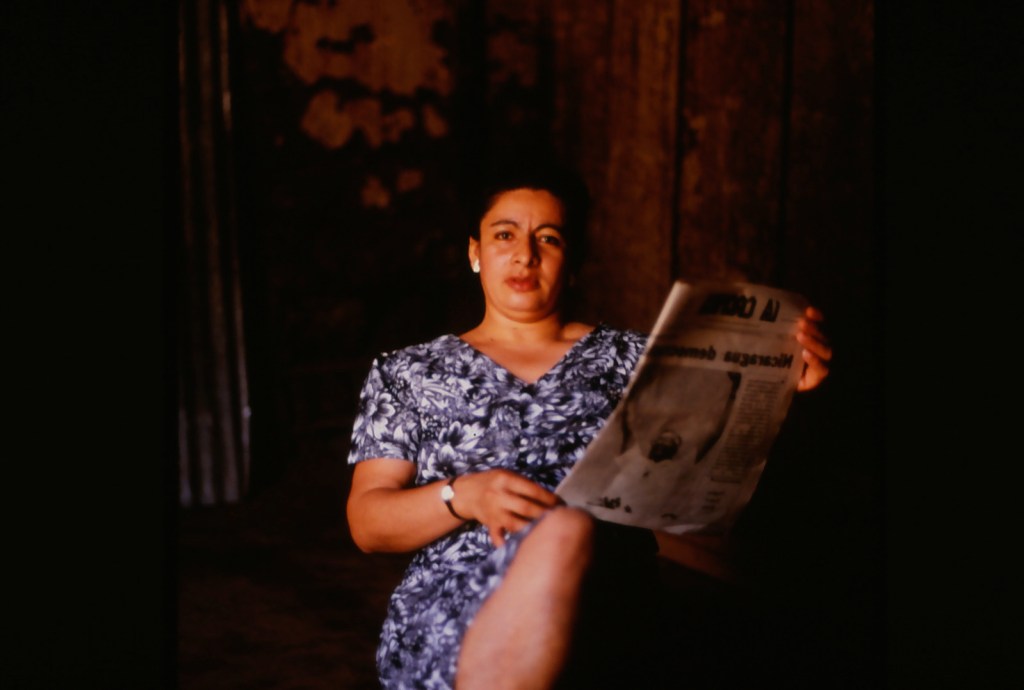
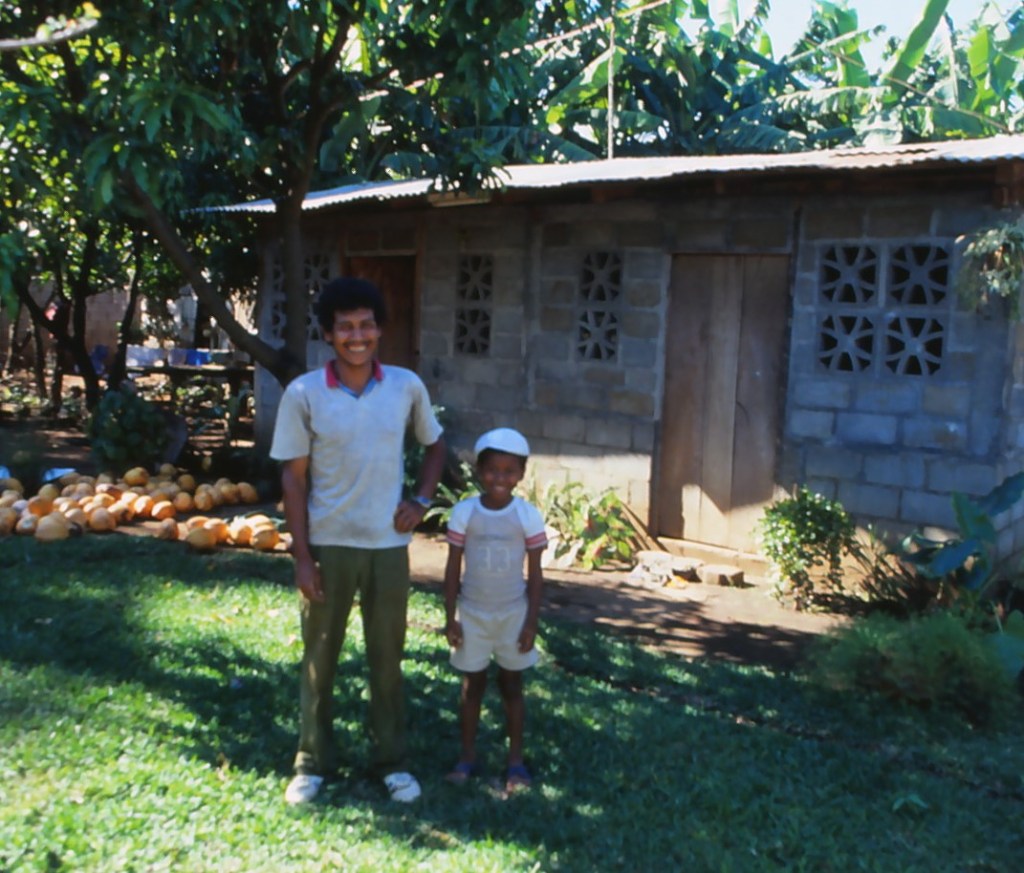
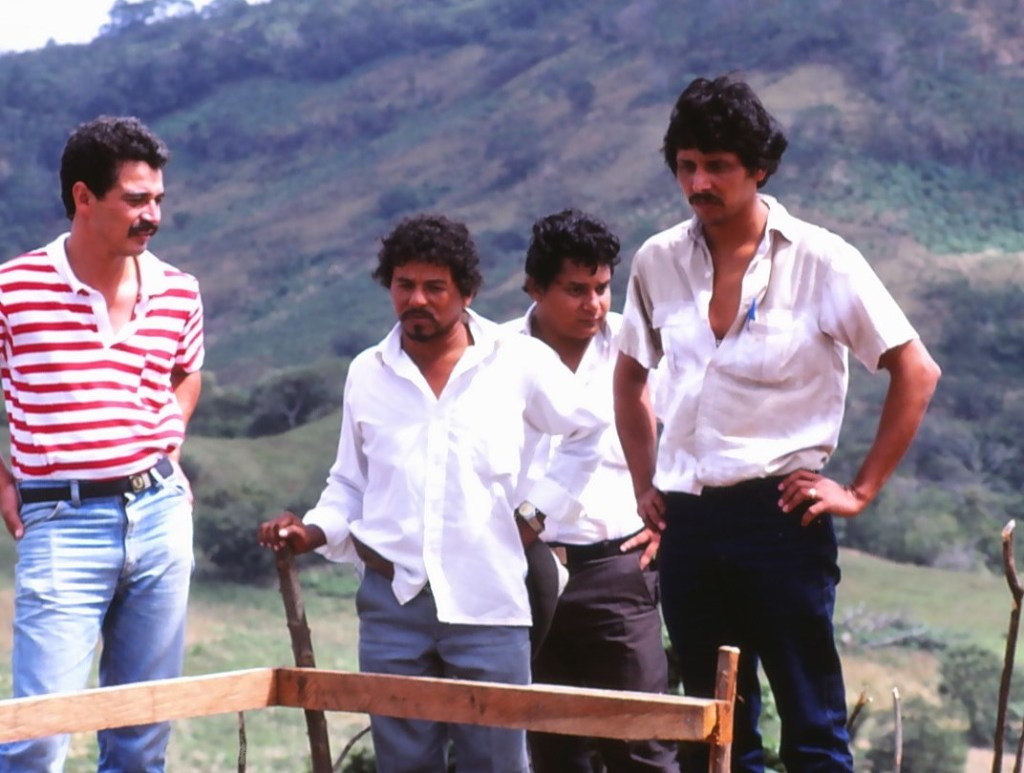
(Upper right) Some of our program’s INAA admin staff. Their salaries would be fixed at the start of the month and would be essentially worthless by the end of the month, on account of hyper-inflation. (Lower Left) Marta, our formidable but awesome housekeeper. (Lower Right) Mauricio, our gardener/handy man. A reliable, gentle and capable soul. He built his home (behind) with his earnings, while with us.
It was the people that we will remember. The Nicaraguan society was admittedly, a little rough around the edges but the word that best describes Nicaraguans is ‘cariñoso’ (affectionate or warm). In our other overseas postings, respective circumstances and/or local culture created a difficult-to-bridge divide between locals and expats. Nicaragua was different and we managed to develop much closer relationships with the locals. Nicaraguans loved to party and an old tape deck, some Salsa, Meringue or Ranchera cassettes, a bottle of Flor de Caña (the local rum), some Coke (the drink, that is!) and everyone was up dancing! A keepsake from that time, was a video my staff made of our going away party. There must have been 80-100 attendees. It was a memorable night with lots of food, speeches, humorous gifts and awards and dancing late into the night. It was a rare indulgence for many of the INAA staff.
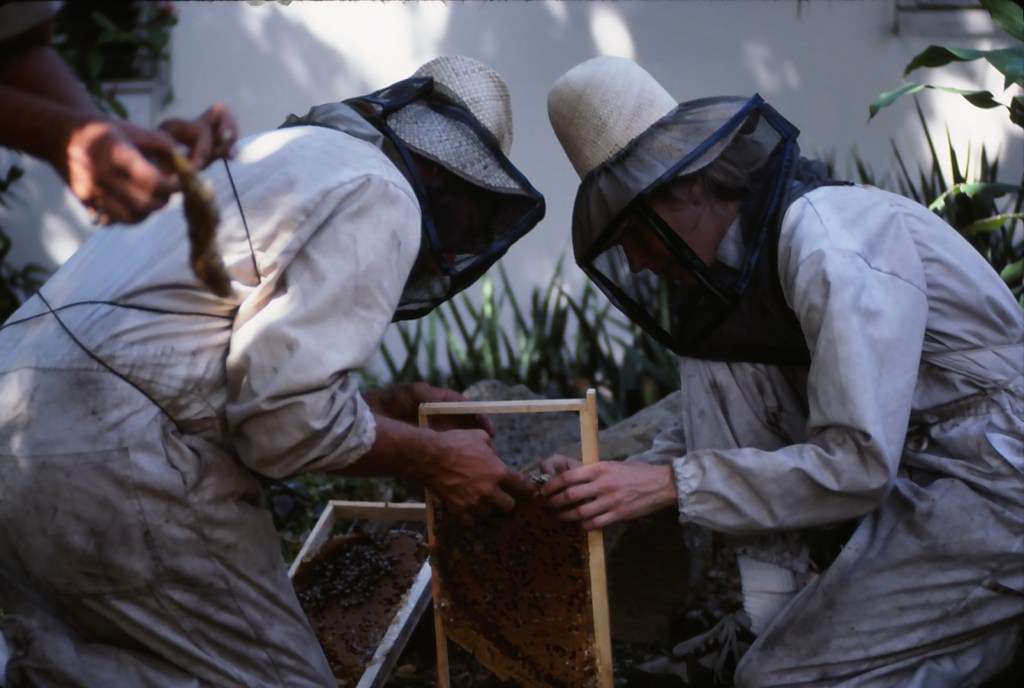
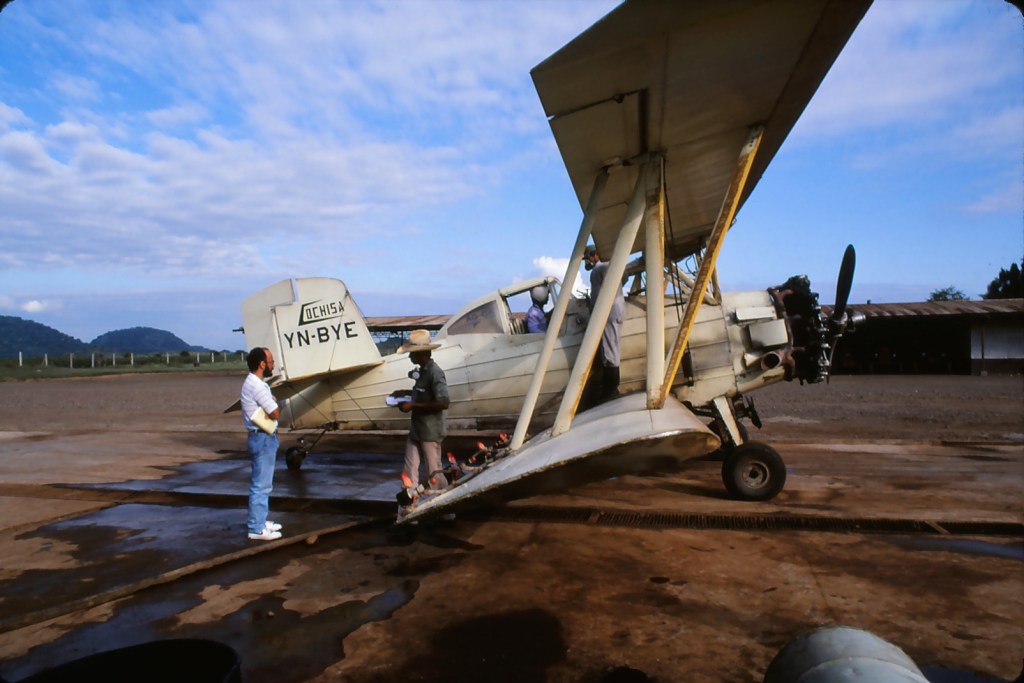
(Left) some of the other CARE projects in Nicaragua: The Bee Project was an effort to restore bee keeping and honey production in the country. The migration north of Africanized bees from Brazil made the local honey bees too aggressive for artisanal, honey collectors resulting in a collapse of the industry. The Project introduced appropriate equipment and techniques to permit working with the bees, which interestingly, were now more productive. In the photo, two visiting, volunteer apiarists from Canada are removing a swarm that had invaded our house! (Right) The Pesticide Project aimed to improve the use & control of pesticides and reduce their negative health impacts. Cotton crops in the project area were regularly and indiscriminately dusted by plane with malathion (and assorted other carcinogenic organophosphates). Bizarrely and tragically, the pesticides were also drunk by some agricultural workers in order to commit suicide.
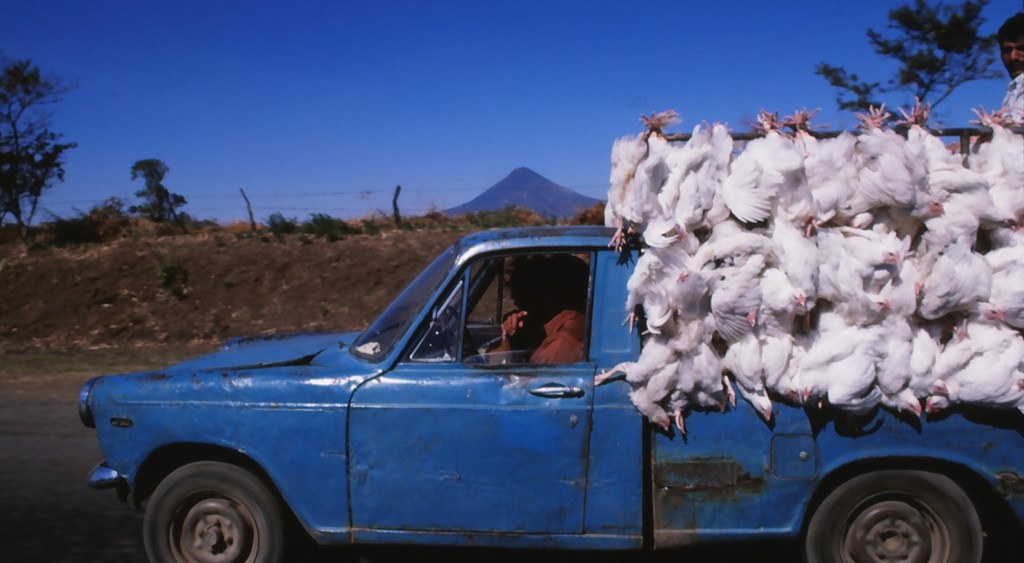
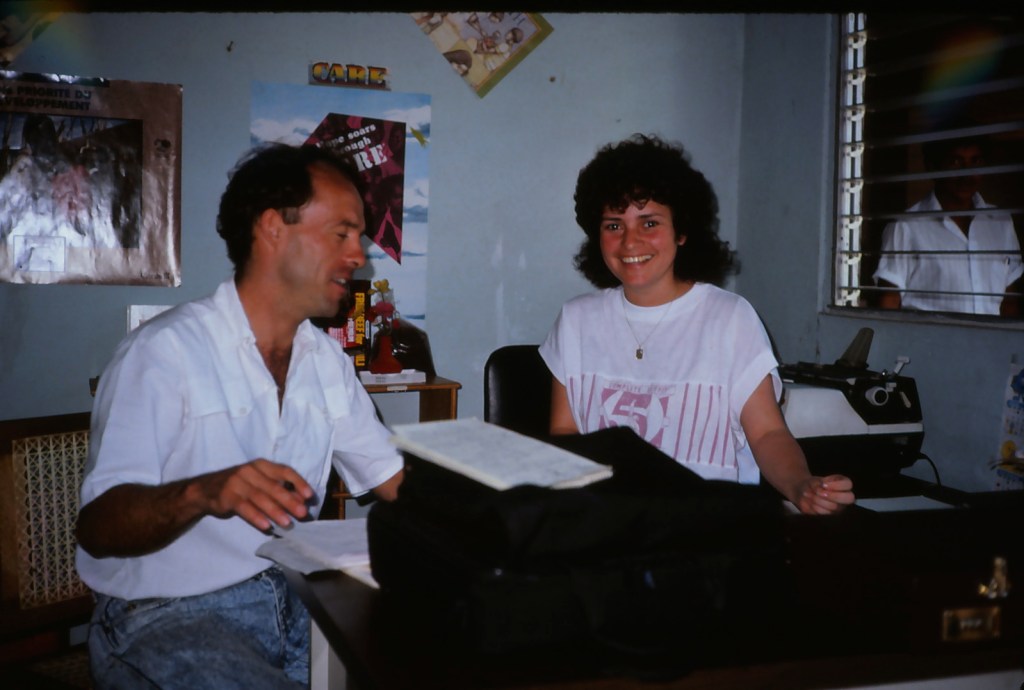
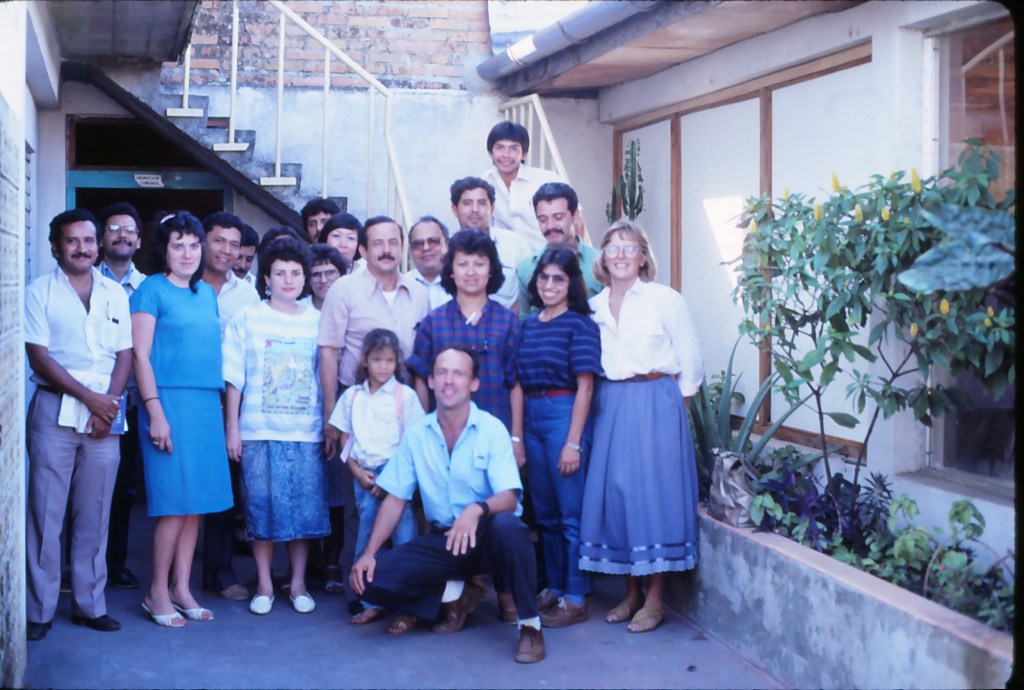
(Left) Imelda, my secretary (another dated term). (Right) A big day! A visit by the Minister (center) to our project office in Matagalpa, a measure of the project’s influence as a model for the sector. Claire often came up to Matagalpa and volunteered on my project. She was a great support to the health promotores and the INAA administrative staff. Regrettably, our controlling and, ultimately jealous, Country Director inexplicably banned the practice.
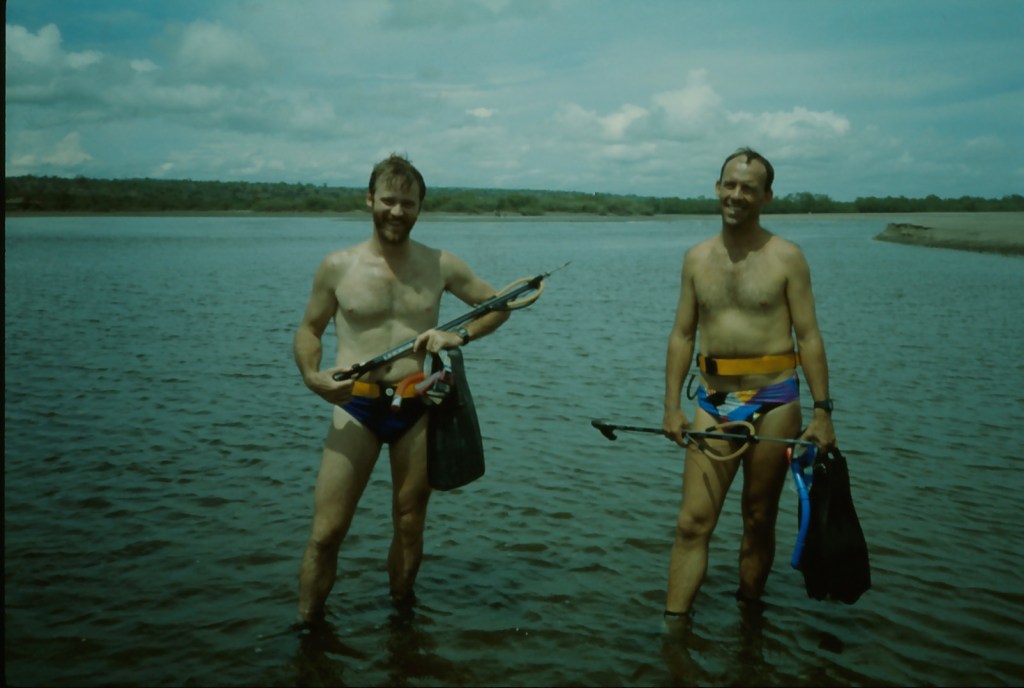
Near the end of our time in Nicaragua (with Peace Agreements in place), our good friend Matt (an epidemiologist and MD working on the Pesticide Project) and I decided to paddle down the Rio San Juan that drains Lago Nicaragua (the largest lake in Central America) to where it empties into the Caribbean, which also forms the border between Nicaragua and Costa Rica. It was quite an adventure in a very remote corner of the country. To my dismay, on Day 2, I started showing signs of hepatitis! Nothing to be done, so we paddled on. I turned yellow with jaundice and farted and belched my way down the river with nausea. Matt, in the front of the kayak, paddled furiously in an effort to get away from the fumes. The Costa Rican embassy (we needed pre-authorization to get into the country at an uncontrolled location) warned us to watch out for landmines at landing spots on the river. No worries, I was in the rear of the kayak so Matt was always the first out! 😉 The river is famous for it’s freshwater sharks and as a potential alternative for the Panama Canal, which apparently remains a consideration to this day.
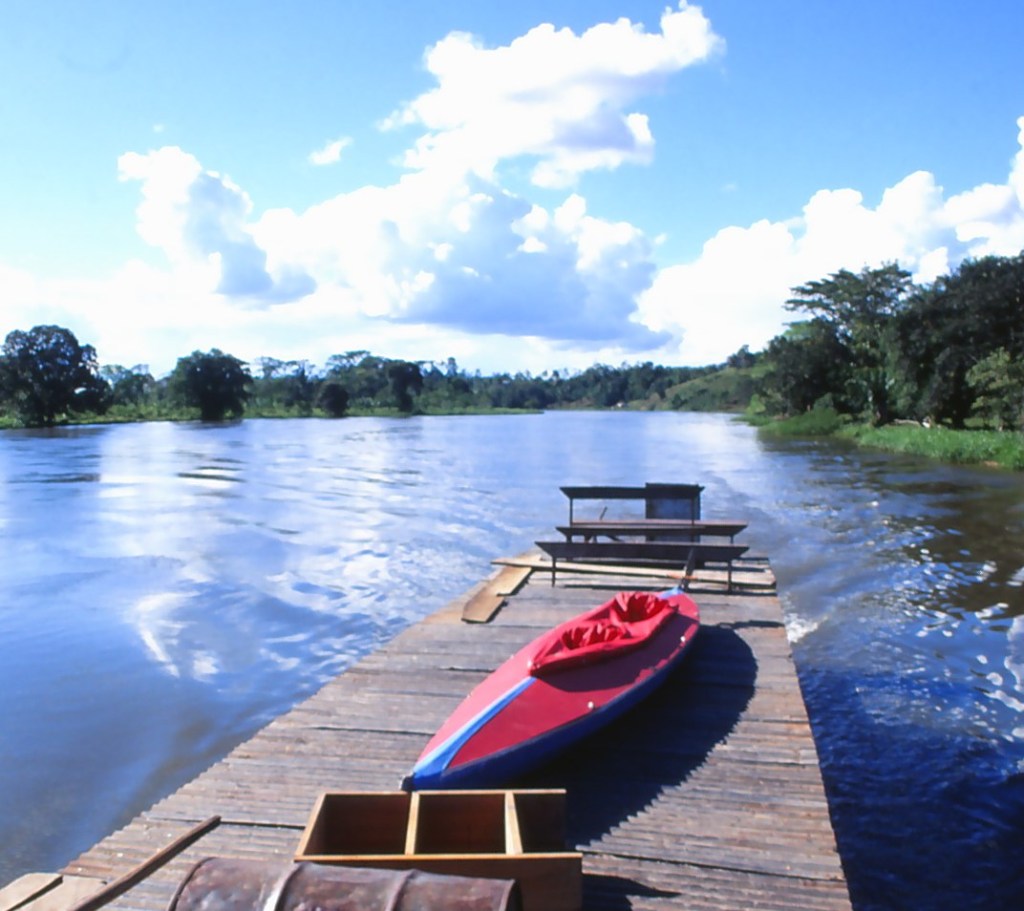
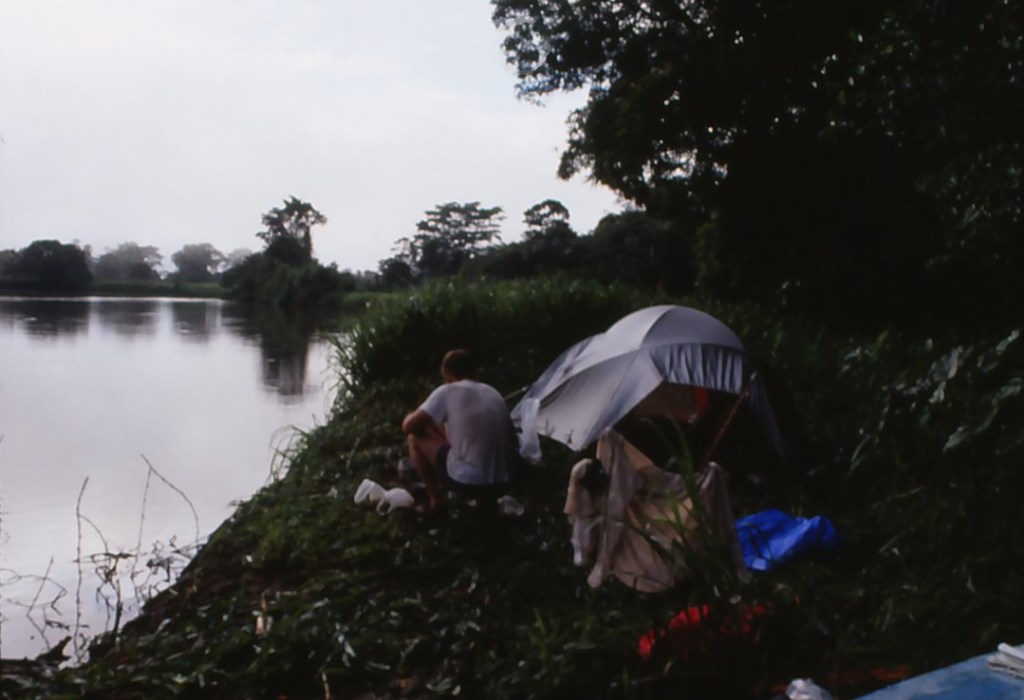
(Left)The first leg of Matt and I’s descent of the Rio San Juan. Our ‘folding’ kayak is on the roof of the ‘passenger ferry’ to El Castillo, and the start of the first set of rapids, the descent of which punctured our fabric kayak. (Right) We camped for five nights , wherever we could find a spot for the tent. Matt and I were probably the 1rst tourists on the river since the start of the war. It was Matt’s first time in a kayak.
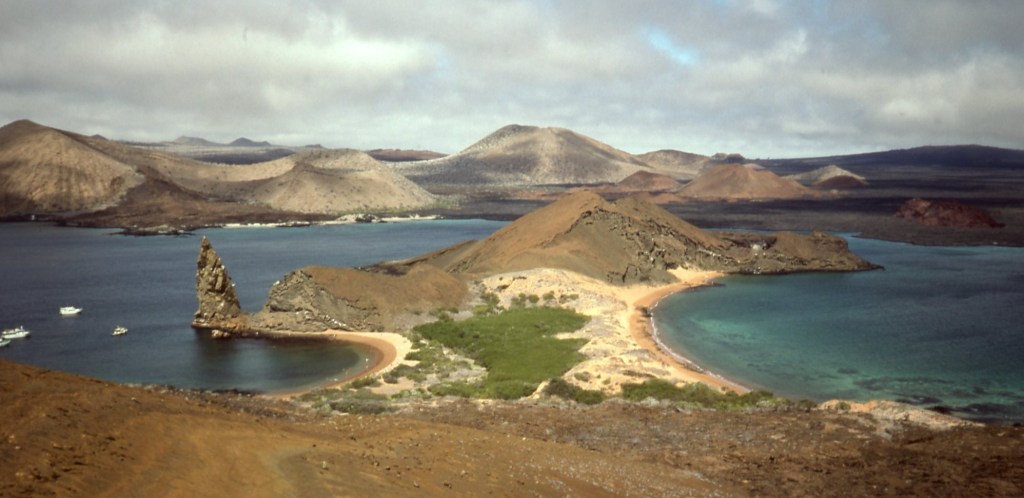
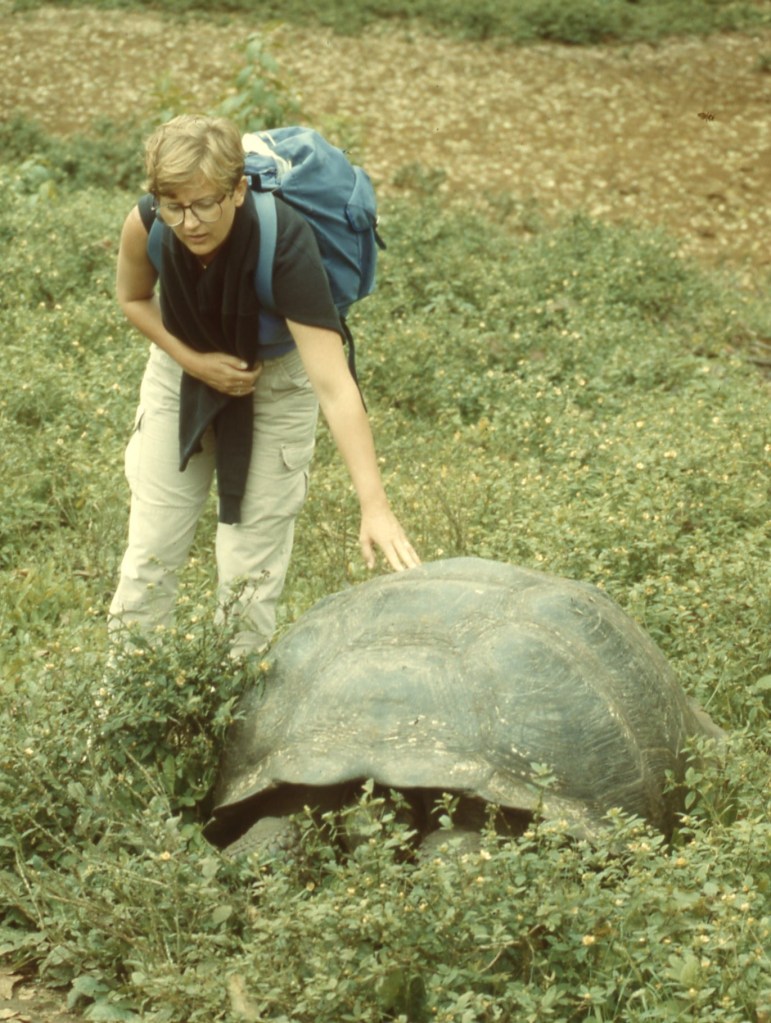
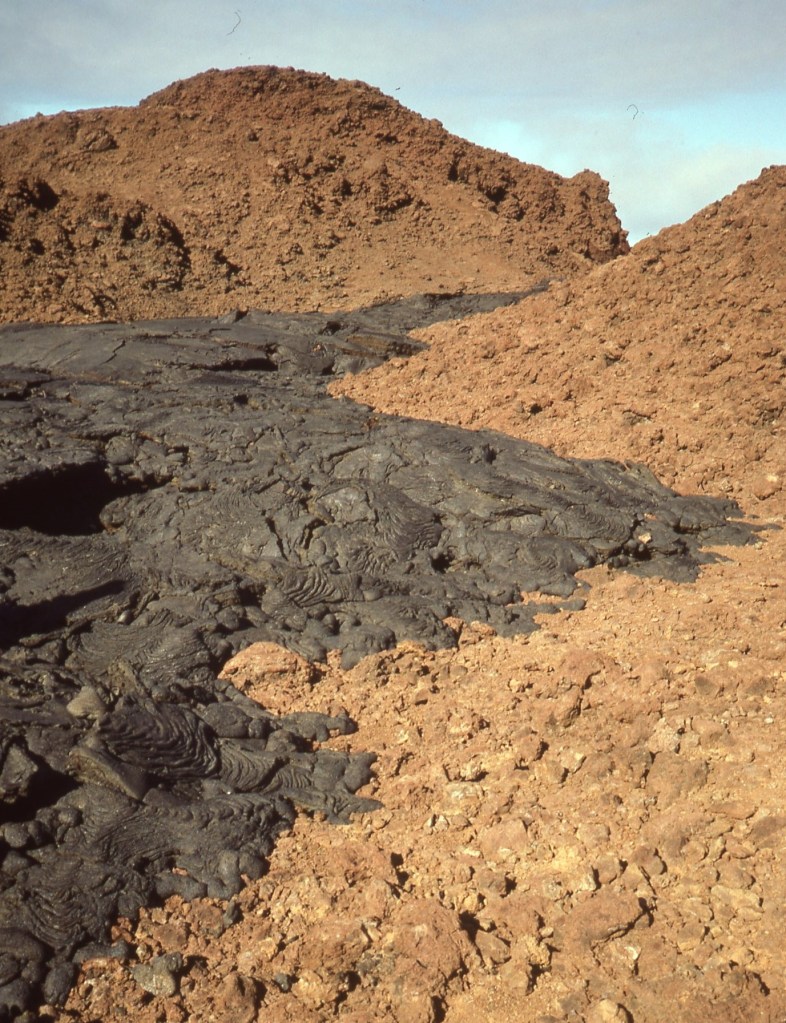
(Left) The giant tortoise, unique to the islands and incredibly long lived . We watched the bizarre ‘duel’ between two males. The winner was determined by how high he could stick his head up! (Right) A more recent lava flow over top a volcanic landscape. To see plant life emerge amongst the lava is a testament to nature’s resilience.
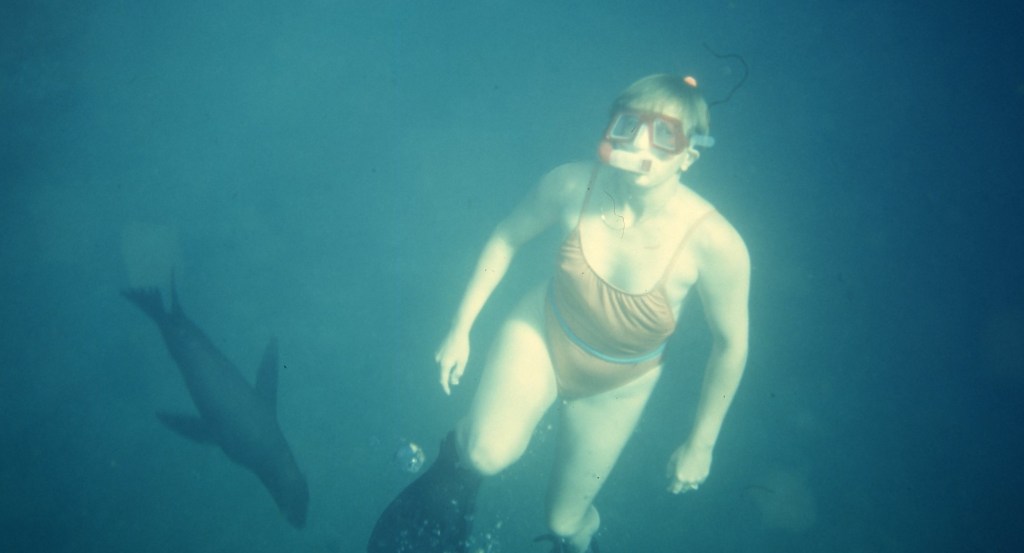
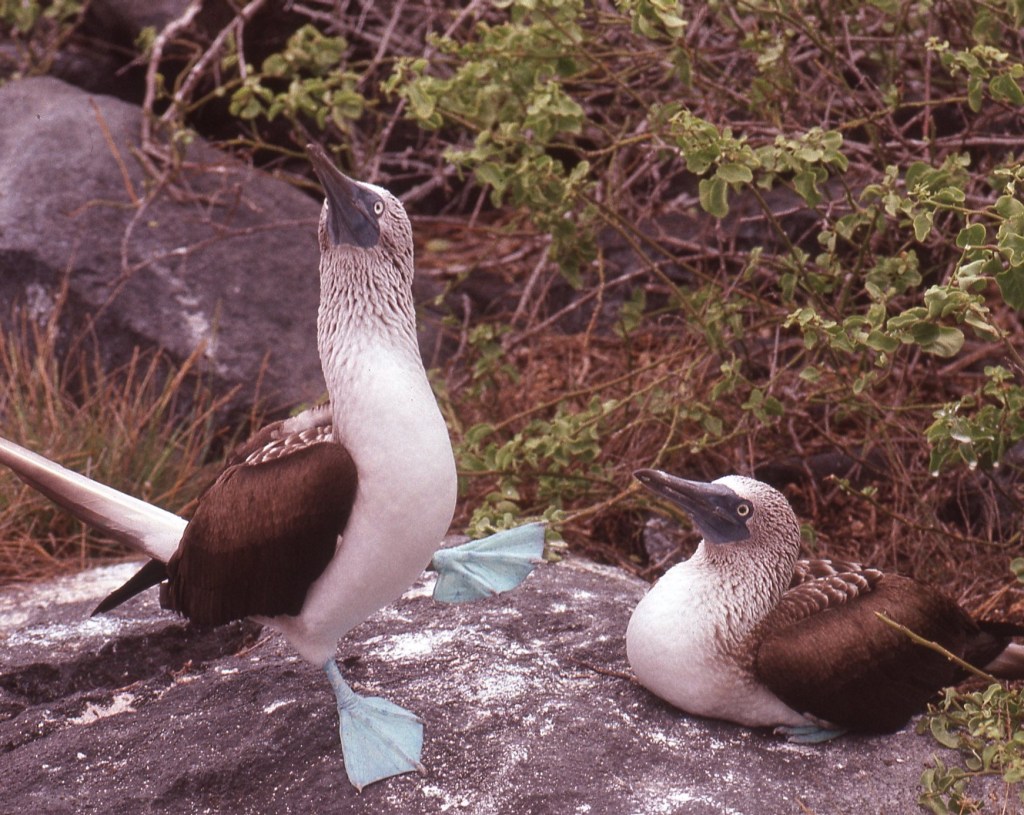
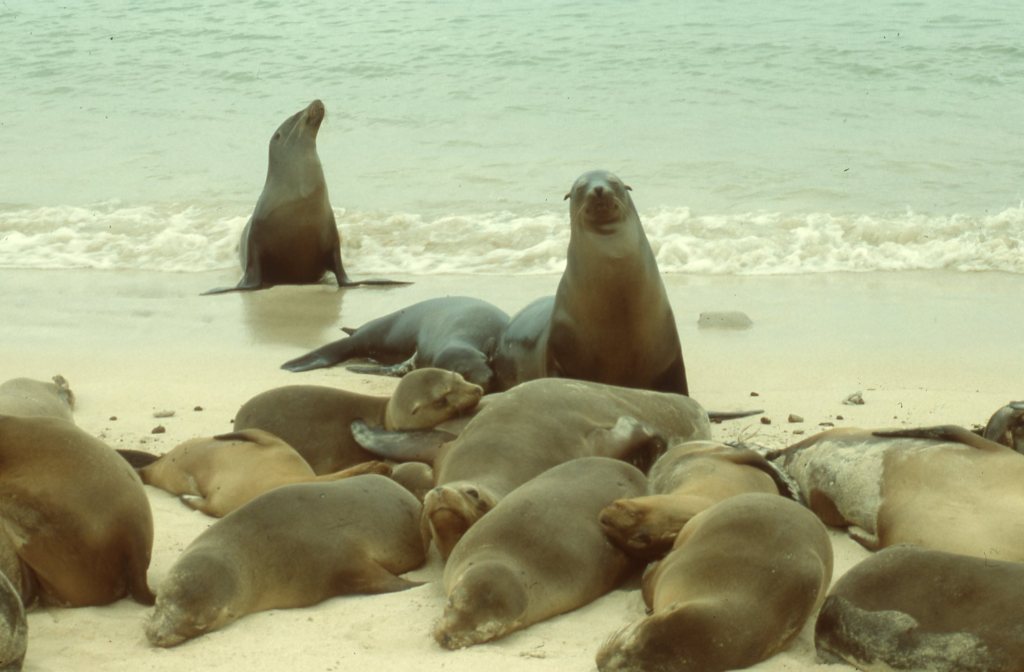
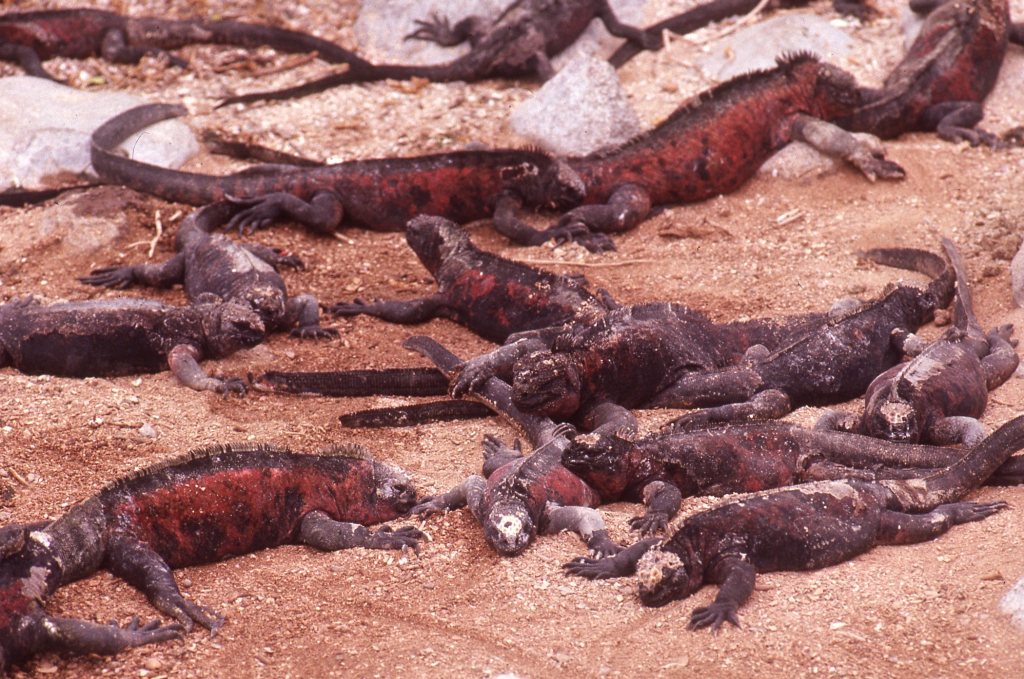
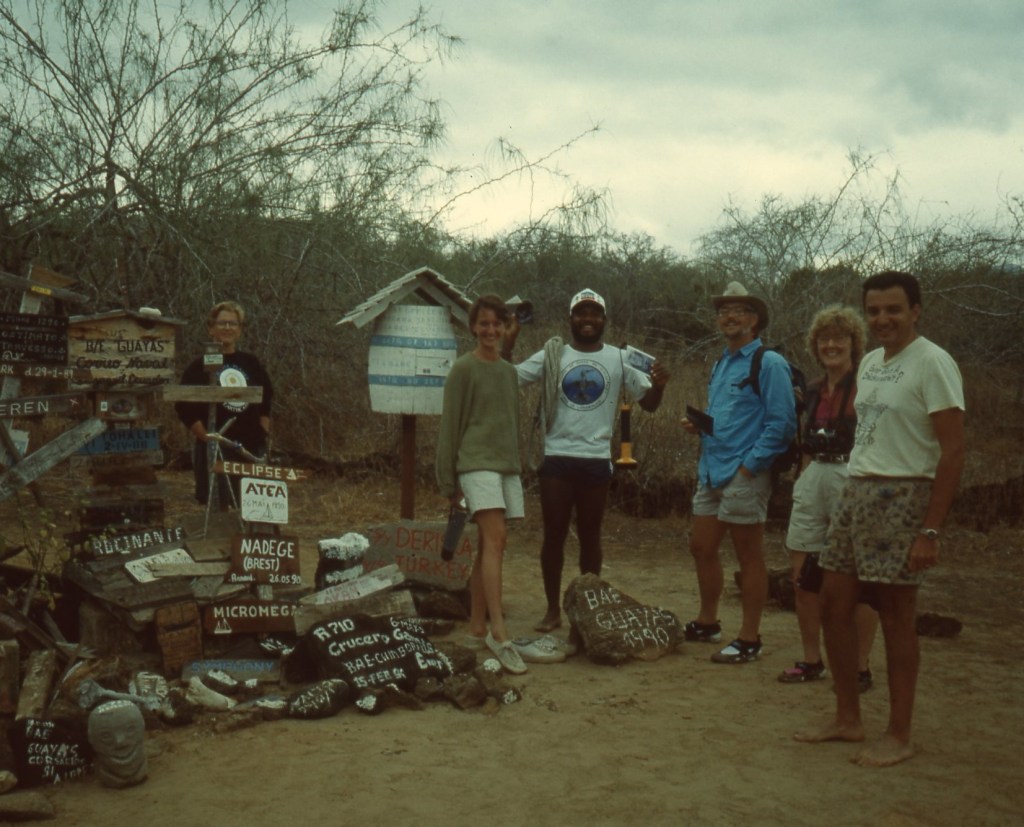
(Top Left) A blue-footed boobie showing off his lovely feet to a prospective mate. Next to the albatross, the boobies were our favorite birds. (Top Right) Hundreds of sea lions on a beach make for odoriferous viewing. We soon learnt to stay clear of the big males guarding their harems. (Lower Left) Marine iguanas with salt encrusted heads, turning red from a diet of red algae. The ability to approach the wildlife, due to the absence of predators, is what makes the Galapagos so special. (Lower Right)The gang: Our Ecuadorian guide (in the middle), an American couple, two Italian newly weds and Claire on the left.
The are so many more stories from our time in Latin America: learning to scuba dive with our colourful teacher Guido (who we later find out was a fugitive from the Italian authorities for his role with the Red Brigade, a domestic terrorist organization of the 70s and early 80s), dive trips to the Islas Bahias in the Caribbean, other kayak adventures, and assorted seminal events in that volatile country and our topsy-turvy lives during those years………..but clearly, I’ve gone on far too long.
PS – Apologies for the old, deteriorated photos. It’s all we have.
 OVER THE HILL AND BEYOND
Jim Harvey in a Speedo! Now I’ve seen everything…
LikeLike
Slightly more palatable that McFarlane in a mankini!
LikeLike
Nous avons vécu, l’espace d’une journée, la beauté du Nicaragua. Lors de notre croisière de traversée du Canal de Panama (de Los Angeles à Fort Lauderdale) en 2016. Une escale à SAN JUAN DEL SUR avec une excursion à MANAGUA. OUF! Une grosse journée remplie. Mais quelle journée de 12 heures avec notre guide Éric, un professeur qui se transformait en guide le temps des passages de touristes. Il a passé une partie de sa vie à Washington chez son oncle où il a fait ses études. Revenu au Nicaragua depuis quelques années, Éric fût intarissable sur l’histoire du Nicaragua. De la promenade sur le MALECON du lac Managua au typique village de Catarina, de la maison du dictateur Somosa à la place du peuple avec sa cathédrale et Palais national (musée maintenant). D’un kiosque dont la couronne est sculptée des personnages ayant fait l’histoire jusqu’à l’historique des troubles politiques inititiés par le projet de canal (bien avant le canal de Panama), Éric avait une connaissance et une habileté à nous raconter tout cela. Pas assez d’une journée avec lui. On a même fait attendre le bateau ce soir-là, par chance, c’était une excursion achetée sur le bateau alors, ils devaient nous attendre obligatoirement. Tu m’as fait revivre cette journée-là car j’ai ressortie mes propres photos , merveilleux! Merci
LikeLike
Bravo, je ne me rappelais pas que vous y étiez allés. ?Promenade… il n’y avait rien quand nous vivions là. Ce fut une autre belle épisode de notre vie. J’aimerais bien voir certaines de tes photos… un de ces jours.
LikeLike
Pour les photos, je vais essayer de t’en envoyer quelques unes VIA Messenger. Sinon, j’ai un livre-photo sur notre croisière et qui me fera un grand plaisir de feuilleter avec vous autres. Bisous…xxxx
LikeLike
Claire, you and Jim amaze me. I only roughed it as a kid in a cabin with a wood burning stove, an outhouse, 5 people in 3 rooms and a dog and cat. I was small enough to bath in a sink. We got a toilet and shower when I was 5 but problems with septic. This was Nakusp, BC Canada from 1954 to 1963.:We had a normal house at the end and moved to Vancouver. I never wanted to go camping etc. I think working toilets and heat and light are necessities. And screens for the vicious mosquitoes. So you two are hero’s of adventure and I love reading your stories but never having to do that!
LikeLike
Wow Susan, thanks for sharing. Who knew? I also grew poor in a family of 11 children but we did have one very small bathroom with running water! Our childhood does influence our livés direction though. But that would be another story! Your warm and calming presence lives in my memory.
LikeLike
Oui, envoie-moi quelques unes et pour l’album… peut-être qu’un de ces jours on aura la chance de tout voir. Merci.
LikeLike